Serum Wajah Terbaik Unveiling the Secrets to Glowing Skin
Serum Wajah Terbaik sets the stage for an enlightening journey into the world of facial serums, where radiant skin is just a drop away. With the right blend of ingredients and techniques, these potent elixirs can transform your skincare routine and deliver visible results that enhance your natural beauty.
From understanding the best ingredients that hydrate and protect your skin to learning how to choose the perfect serum for your unique skin type, this guide covers everything you need to know about finding and using the best facial serums available. Get ready to explore the various types of serums, their applications, and common pitfalls to avoid for ultimate skincare success.
Best Ingredients for Facial Serums

Source: typology.com
Facial serums have gained immense popularity in skincare routines due to their ability to deliver concentrated ingredients that target specific skin concerns. Selecting the right serum is crucial, as the effectiveness largely depends on the ingredients used. Here, we’ll delve into some of the best ingredients that enhance skin hydration, the benefits of antioxidants, and the role of peptides in improving skin elasticity.
Key Ingredients for Skin Hydration
Hydration is essential for maintaining a healthy, glowing complexion. The following ingredients are known for their potent hydrating properties:
- Hyaluronic Acid: This powerhouse ingredient can hold up to 1,000 times its weight in water, making it a top choice for delivering intense hydration.
- Glycerin: A humectant that draws moisture from the environment into the skin, glycerin is effective in preventing dryness and improving skin texture.
- Squalane: A lightweight oil that mimics the skin’s natural oils, squalane helps to lock in moisture while providing a smooth, soft finish.
Benefits of Antioxidants in Serums
Antioxidants are vital in combating oxidative stress caused by free radicals, which can lead to premature aging. Incorporating antioxidants into serums can significantly enhance skin health. The most notable antioxidants include:
- Vitamin C: Known for its brightening properties, vitamin C helps to even skin tone and reduce the appearance of dark spots while supporting collagen production.
- Vitamin E: This antioxidant helps to protect the skin barrier, providing additional moisture and preventing dryness.
- Green Tea Extract: Rich in polyphenols, green tea extract not only provides antioxidant benefits but also soothes inflammation, making it suitable for sensitive skin.
Role of Peptides in Improving Skin Elasticity, Serum Wajah Terbaik
Peptides are short chains of amino acids that serve as building blocks for proteins in the skin, such as collagen and elastin. Their inclusion in facial serums is beneficial for enhancing skin elasticity and firmness. The key benefits of peptides include:
- Collagen Stimulation: Peptides encourage the skin to produce more collagen, which can lead to firmer, plumper skin over time.
- Reduced Fine Lines: Regular use of peptide-rich serums can help diminish the appearance of fine lines and wrinkles, giving the skin a more youthful look.
- Improved Barrier Function: Peptides can strengthen the skin’s natural barrier, helping to retain moisture and protect against environmental stressors.
Different Types of Facial Serums
Facial serums have become essential in modern skincare routines, offering targeted treatments that address specific skin concerns. With their concentrated formulas, serums are designed to penetrate deeper layers of the skin, delivering potent ingredients effectively. Understanding the various types of serums available can significantly enhance the benefits you receive from your skincare regimen.Facial serums can be categorized based on their formulation and the specific skin issues they target.
These categories include serums for anti-aging, hydration, brightening, and more. Each type serves unique purposes and is suited for different skin concerns, making it crucial to choose a serum that aligns with your skin’s needs.
Categories of Facial Serums
There are several categories of facial serums available in the market, each designed to address specific skin issues. Some of the most common types include:
- Hydrating Serums: Contain ingredients like hyaluronic acid to replenish moisture, making them ideal for dry skin.
- Anti-Aging Serums: Formulated with retinol, peptides, and antioxidants to reduce fine lines and wrinkles.
- Brightening Serums: Usually contain vitamin C or niacinamide to enhance skin radiance and even out skin tone.
- Exfoliating Serums: Often include alpha-hydroxy acids (AHAs) or beta-hydroxy acids (BHAs) to promote cell turnover and improve skin texture.
- Acne Treatment Serums: Formulated with salicylic acid or benzoyl peroxide to reduce breakouts and prevent future blemishes.
Serum Suitability by Skin Type
When selecting a serum, it’s important to consider your skin type. The following comparison table illustrates the suitability of different serum types for various skin types:
| Skin Type | Hydrating Serum | Anti-Aging Serum | Brightening Serum | Exfoliating Serum | Acne Treatment Serum |
|---|---|---|---|---|---|
| Dry | ✔️ | ✔️ | ✔️ | ❌ | ❌ |
| Oily | ✔️ | ✔️ | ✔️ | ✔️ | ✔️ |
| Combination | ✔️ | ✔️ | ✔️ | ✔️ | ✔️ |
| Sensitive | ✔️ | ✔️ | ❌ | ❌ | ❌ |
Serum Purposes
Each type of serum has distinct purposes that cater to specific skin concerns, enhancing overall skin health and appearance.
Hydrating serums are essential for maintaining skin moisture levels, while anti-aging serums work to combat the visible signs of aging. Brightening serums help in achieving an even skin tone and reducing dark spots.
Anti-Aging
These serums often contain key ingredients like retinol, which promotes collagen production and improves skin elasticity. Regular use can significantly reduce the appearance of fine lines and wrinkles.
Hydrating
Hydrating serums are formulated to attract moisture to the skin. They are particularly beneficial for individuals with dry or dehydrated skin, providing a plump and youthful appearance.
Brightening
Brightening serums typically utilize vitamin C or licorice extract to diminish dullness and enhance skin radiance. They can effectively target hyperpigmentation and promote an even skin tone.Incorporating the right serum into your skincare routine can yield impressive results when aligned with your individual skin type and concerns.
How to Choose the Right Serum for Your Skin Type
Source: lacasitadelapiel.com
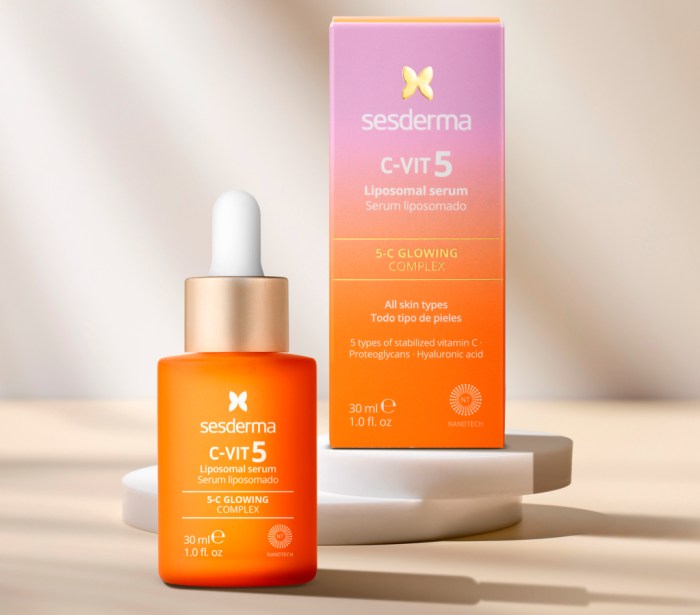
Selecting the right facial serum can significantly enhance your skincare routine, but with so many options available, it can be overwhelming. Understanding your skin type and its specific needs is crucial for making an informed decision. This guide offers insights on assessing skin types, matching serums with skin concerns, and effectively reading ingredient labels, all aimed at helping you find the perfect serum for your skin.Assessing your skin type is the first step in tailoring your skincare regimen.
Skin can generally be classified into five main types: normal, oily, dry, combination, and sensitive. Each type has distinct characteristics and requires specific care. Determining your skin type involves observing how your skin behaves throughout the day, which can help in identifying its needs.
Checklist for Matching Skin Issues with Appropriate Serums
To effectively select a serum that addresses your skin concerns, use the following checklist that correlates common skin issues with suitable serum ingredients:
- Acne-Prone Skin: Look for serums containing salicylic acid or niacinamide, which help to control oil production and reduce breakouts.
- Dry Skin: Serums with hyaluronic acid or glycerin provide deep hydration, essential for maintaining moisture levels.
- Oily Skin: Lightweight formulas with tea tree oil or witch hazel help to balance oil and minimize shine.
- Sensitive Skin: Choose serums that include calming ingredients like chamomile or calendula to reduce irritation.
- Aging Skin: Look for anti-aging serums with retinol or peptides to promote collagen production and improve skin elasticity.
Reading serum labels is essential to ensure you’re choosing products with effective ingredients and avoiding harmful additives. Here are some tips to decode those labels:
Tips for Reading Serum Labels and Ingredient Lists
Understanding the ingredient list on serum labels can be daunting, but it is key to making informed choices. Here are some practical tips for effectively reading serum labels:
- Order of Ingredients: Ingredients are listed in descending order by concentration; the first few ingredients are the most prevalent in the formulation.
- Active Ingredients: Look for active ingredients that align with your skin concerns, such as antioxidants for protection or acids for exfoliation.
- Avoid Harmful Additives: Check for parabens, sulfates, and synthetic fragrances, which can be irritating to the skin.
- Patch Test: Always conduct a patch test to minimize the risk of adverse reactions, especially with new serums.
“Choosing the right serum is about understanding your skin’s unique needs and reading labels carefully.”
Application Techniques for Maximum Efficacy
Incorporating facial serums into your skincare routine can significantly enhance your skin’s overall health and appearance. However, to truly reap their benefits, it’s essential to apply them correctly. The right application techniques ensure that your skin absorbs the active ingredients effectively, providing you with the desired results. In this section, we will explore the appropriate order for applying serums, methods for optimal absorption, and a step-by-step guide for serum application.
Correct Order of Application
The sequence in which you apply serums plays a critical role in their effectiveness. It’s essential to follow a specific order to maximize results. Generally, you should start with the lightest formulations and move toward heavier textures. The typical order for applying serums in a skincare routine is as follows:
- Cleansing: Begin with a gentle cleanser to remove dirt, oil, and impurities from the skin.
- Toning: Apply a toner to balance the skin’s pH and prepare it for better serum absorption.
- Serum: Apply the facial serum targeting your specific skin concern.
- Moisturizer: Follow with a suitable moisturizer to lock in hydration.
- Sunscreen: In the morning, finish with a broad-spectrum sunscreen to protect your skin.
Methods for Optimal Absorption
To ensure that your serum penetrates deeply into the skin, consider these methods of application:
Patting Technique
Use your fingertips to gently pat the serum into your skin. This method encourages absorption and stimulates circulation.
Pressing Technique
After applying the serum, use the palms of your hands to press the product into your skin gently. This technique helps push the serum deeper into the skin layers.
Layering Technique
For those with multiple serums, apply the thinnest serum first and allow it to absorb before layering a thicker one.
“Gentle application techniques can significantly enhance the effectiveness of your skincare products.”
Step-by-Step Guide for Serum Application
Applying serum correctly is crucial for achieving the best results. Follow this step-by-step guide to ensure effective application:
- Start with Clean Skin: Always cleanse your face thoroughly to remove any impurities.
- Use a Toner: Apply a toner using a cotton pad or your hands to prep your skin.
- Dispense the Serum: Squeeze a small amount of serum (usually a pea-sized amount) onto your fingertips.
- Apply Evenly: Dot the serum on your forehead, cheeks, nose, and chin.
- Gently Pat and Press: Using your fingertips, gently pat and press the serum into your skin, focusing on areas of concern.
- Allow to Absorb: Wait for a minute or two to let the serum penetrate fully before applying moisturizer.
- Finish with Moisturizer: Seal in the serum benefits with a hydrating moisturizer.
Common Mistakes When Using Facial Serums
Source: co.uk
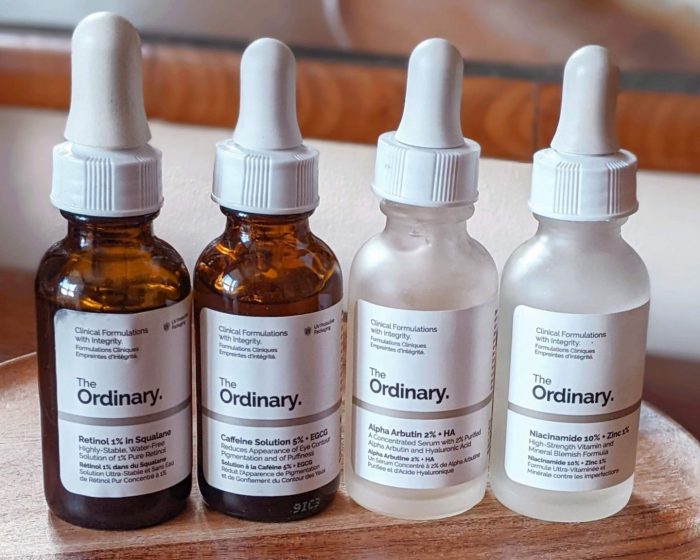
Using facial serums can transform your skincare routine, but many people make common mistakes that can hinder their effectiveness. Understanding these pitfalls is essential for maximizing the benefits of your serums and achieving healthier skin. Let’s delve into the frequent misconceptions and practical tips to enhance your serum game.
Frequent Misconceptions About Serum Usage
Many users have misconceptions about how and when to apply serums. One prevalent belief is that more product equals better results. However, using excessive amounts can overwhelm the skin and lead to poor absorption. Additionally, some users think that serums can replace moisturizers. While serums are concentrated with active ingredients, they do not provide the necessary hydration that moisturizers can offer.
“Less is often more when it comes to serums; a small amount can deliver powerful results.”
Impact of Layering Products Incorrectly
Layering products improperly can significantly reduce the efficacy of your serum. Applying serums before thicker creams or oils can create a barrier that prevents the serum from penetrating the skin effectively. It’s crucial to apply products in the correct order, starting with the thinnest textures and moving to thicker ones. This ensures that the active ingredients in the serum can do their job without being blocked.
“Proper layering allows serums to work their magic, enhancing their absorption and effectiveness.”
Avoiding Irritation from Incompatible Ingredients
Using serums with incompatible ingredients can lead to irritation or adverse reactions. For instance, combining strong actives like retinol and vitamin C can cause redness and sensitivity. Understanding how different ingredients interact is vital for a harmonious skincare routine. Always check the labels and introduce new products gradually to monitor for any negative reactions.
“Compatibility is key in skincare; choose ingredients that work synergistically for the best results.”
Top Recommended Facial Serums: Serum Wajah Terbaik
The world of facial serums is vast and varied, with numerous products vying for attention. Dermatologists often recommend specific serums based on their potent ingredients and proven effectiveness. Understanding which serums are top-rated can guide you in making informed decisions for your skincare routine.When considering serums, it’s essential to recognize the difference in price points, as they can range from budget-friendly to luxury offerings.
This section will delve into popular serums favored by skincare professionals, compare their price and efficacy, and provide insightful reviews of selected top serums.
Popular Serums Among Dermatologists
Several facial serums have gained recognition and endorsement from dermatologists due to their effective formulations and clinical results. Below is a list of some of the most recommended serums:
- SkinCeuticals C E Ferulic: A potent antioxidant serum known for its anti-aging properties.
- Estée Lauder Advanced Night Repair: A hydrating serum that targets multiple signs of aging.
- The Ordinary Niacinamide 10% + Zinc 1%: Highly effective for controlling oil and minimizing pores.
- Drunk Elephant C-Firma Day Serum: Brightens and firms the skin while providing antioxidant protection.
- La Roche-Posay Hyalu B5 Serum: A budget-friendly choice that hydrates and plumps the skin.
Price Comparison of Budget vs. Luxury Serums
Evaluating serums based on their cost versus effectiveness can help you find the right product within your budget. While luxury serums often carry a higher price tag due to premium ingredients and branding, budget serums can be surprisingly effective.
| Serum | Price Range | Effectiveness |
|---|---|---|
| SkinCeuticals C E Ferulic | $166 | Highly effective for reducing fine lines and improving skin texture. |
| The Ordinary Niacinamide 10% + Zinc 1% | $6.70 | Excellent for oil control and minimizing pores, offering great value. |
| Estée Lauder Advanced Night Repair | $75 | Delivers visible anti-aging benefits and deep hydration. |
| La Roche-Posay Hyalu B5 Serum | $30 | Provides hydration and skin plumping at an affordable price. |
Detailed Reviews of Selected Top Serums
Here are in-depth reviews of some standout serums that have garnered praise from both dermatologists and users alike:
“SkinCeuticals C E Ferulic is often hailed as a holy grail for its powerful antioxidant combination that protects skin from environmental damage.”
SkinCeuticals C E Ferulic is a high-end serum that contains vitamins C and E, along with ferulic acid. This combination not only helps to brighten the skin but also protects against free radicals, making it ideal for those concerned with aging.
“The Ordinary Niacinamide 10% + Zinc 1% offers exceptional oil control and is perfect for those with acne-prone skin.”
This budget-friendly serum from The Ordinary is formulated to reduce the appearance of blemishes and control excess sebum production. It’s a favorite among those looking for an effective yet affordable solution.
“Estée Lauder Advanced Night Repair continues to be popular due to its multi-faceted approach to skincare.”
This serum is celebrated for its ability to address multiple signs of aging, including fine lines, dullness, and dehydration. Packed with hyaluronic acid, it provides intense moisture and promotes a youthful glow overnight.
“La Roche-Posay Hyalu B5 Serum is a game-changer for hydration at an accessible price.”
With a unique blend of hyaluronic acid and vitamin B5, this serum attracts moisture to the skin and aids in repair, making it suitable for all skin types, especially sensitive skin.These serums represent a variety of price points and formulations, ensuring that there is an option for everyone, whether you are looking to invest in luxury skincare or find effective budget alternatives.
DIY Facial Serum Recipes
Creating your own facial serums at home can be an exciting and rewarding experience. Not only do you gain complete control over the ingredients, but you can also customize the formulations to suit your specific skin needs. With the right natural ingredients, you can craft serums that hydrate, brighten, and rejuvenate your skin without the high costs associated with commercial products.Homemade facial serums can be made from a variety of natural oils, extracts, and essential oils that provide various skin benefits.
However, it’s crucial to understand the potential risks, such as skin irritation or allergic reactions, that may arise from using unfamiliar ingredients. Always do a patch test before applying any new DIY serum to your entire face.
DIY Serum Recipes
Below are some easy-to-follow recipes for creating your own facial serums at home. Each recipe is tailored to target specific skin concerns.
Hydrating Rosehip Serum
Ingredients:
- 1 tablespoon rosehip oil
- 1 tablespoon jojoba oil
- 2 drops of lavender essential oil
Instructions:
- Combine all ingredients in a small glass bottle.
- Shake well before each use.
- Apply a few drops to your face after cleansing.
This serum is rich in essential fatty acids and antioxidants, which help to hydrate and nourish the skin.
Brightening Vitamin C Serum
Ingredients:
- 1 tablespoon sweet almond oil
- 1 tablespoon vitamin C powder
- 1 tablespoon distilled water
Instructions:
- Mix vitamin C powder with distilled water until dissolved.
- Add sweet almond oil and stir to combine.
- Store in an amber bottle to protect from light.
The vitamin C in this serum helps to brighten the skin and reduce the appearance of dark spots.
Anti-Aging Serum
Ingredients:
- 1 tablespoon argan oil
- 1 tablespoon hyaluronic acid
- 2 drops of frankincense essential oil
Instructions:
- Mix all ingredients in a small bottle.
- Shake gently to incorporate.
- Apply to the face morning and evening.
This serum helps to hydrate the skin while reducing fine lines and wrinkles thanks to the properties of hyaluronic acid and argan oil.
Benefits and Risks of Homemade Serums
Creating DIY serums allows for personalization and the use of high-quality, natural ingredients. Here are some key advantages and potential downsides:Benefits:
Customization
Tailor the serum to your skin type.
Natural Ingredients
Use organic and chemical-free elements.
Cost-Effective
Save money compared to commercial products.Risks:
Irritation
Some essential oils can cause irritation if used improperly.
Contamination
Homemade products may lack preservatives, leading to spoilage.
Allergic Reactions
Always perform a patch test before full application.
Essential Oils for Skin Benefits
Essential oils can enhance the effectiveness of your serums by providing additional benefits. The following table lists various essential oils along with their respective skin benefits:
| Essential Oil | Skin Benefit |
|---|---|
| Lavender | Calming and soothing for irritated skin |
| Tea Tree | Antimicrobial properties for acne-prone skin |
| Frankincense | Reduces the appearance of scars and fine lines |
| Rose | Hydrating and balancing for dry skin |
| Lemon | Brightening properties for dull skin |
By incorporating these essential oils into your DIY serums, you can enhance their effectiveness and cater to specific skin needs while enjoying the benefits of natural ingredients.
The Science Behind Facial Serums
Facial serums are a staple in skincare routines, revered for their ability to deliver potent active ingredients directly into the skin. Understanding the science behind these formulations can enhance our appreciation of their benefits and optimize their use. This segment delves into how serums penetrate the skin, the formulation processes involved, and recent studies that illuminate their efficacy.The primary difference between serums and creams lies in their composition and delivery methods.
Serums are typically formulated with a higher concentration of active ingredients and a lighter texture, which allows them to penetrate deeper into the skin layers. This deep penetration is facilitated by smaller molecular sizes of the ingredients used in serums, coupled with advanced delivery systems that enhance absorption. In contrast, creams usually contain thicker emollients that primarily work on the skin’s surface, providing hydration and protection.
Formulation Process of Effective Serums
The creation of effective facial serums involves meticulous formulation processes in laboratories. This includes:
1. Ingredient Selection
The foundation of any effective serum lies in choosing high-quality active ingredients. These may include antioxidants like vitamin C, hyaluronic acid for hydration, and peptides for skin rejuvenation.
2. Stability Testing
Active ingredients can be sensitive to light, air, and temperature. Formulators conduct stability tests to ensure that the serum remains effective over time and does not degrade.
3. pH Balancing
The skin’s natural pH is slightly acidic, typically around 4.5 to 5.5. Formulators adjust the pH of serums to ensure compatibility with the skin barrier, promoting optimal absorption and minimizing irritation.
4. Delivery Systems
Advanced delivery systems, such as liposomes or microencapsulation, are incorporated to enhance the penetration of active ingredients, allowing them to reach the deeper layers of the skin.
Recent Studies on Serum Efficacy
Recent research has provided insights into the effectiveness of various serum formulations. Studies indicate that serums containing antioxidants can significantly reduce oxidative stress in skin cells, leading to improved skin texture and tone. For instance, a clinical trial demonstrated that participants using a vitamin C serum experienced a 30% reduction in fine lines within 12 weeks.Another study highlighted the role of hyaluronic acid in serums, showing that regular application can increase skin hydration levels by up to 40%.
This supports the notion that serums can be more effective than topical creams in delivering hydration and active ingredients deeper into the skin.
“Effective serums not only enhance hydration but also combat signs of aging through their concentrated active ingredients and advanced delivery systems.”
Last Word
In conclusion, navigating the world of facial serums can be a game changer for your skincare routine. By understanding the essential ingredients and how to select and apply the right serum, you can achieve a radiant and healthy complexion. Armed with this knowledge, you’re now ready to make informed choices that can enhance your skincare experience and bring you one step closer to your beauty goals.
FAQ Summary
What is the main purpose of using a facial serum?
The main purpose of using a facial serum is to deliver concentrated active ingredients directly into the skin, addressing specific concerns such as hydration, aging, or brightening.
How often should I apply facial serum?
Facial serums can typically be applied once or twice daily, depending on your skin type and the specific serum’s formulation.
Can I layer multiple serums?
Yes, you can layer multiple serums, but it’s important to apply them in the correct order, starting from the thinnest to the thickest consistency for optimal absorption.
Are there any side effects to using serums?
While most serums are safe, some can cause irritation, especially if they contain strong active ingredients. It’s best to patch test new products before applying them to your entire face.
Can I make my own facial serum at home?
Yes, you can create your own facial serum using natural ingredients, but be cautious about potential allergies and ensure the ingredients are suitable for your skin type.